We investigate the molecular mechanisms that govern brain development and how genetic variation contributes to neurodevelopmental disorders. Our research bridges fundamental developmental neuroscience and disease biology to understand how molecular dysfunction leads to diverse neurodevelopmental outcomes.
Research
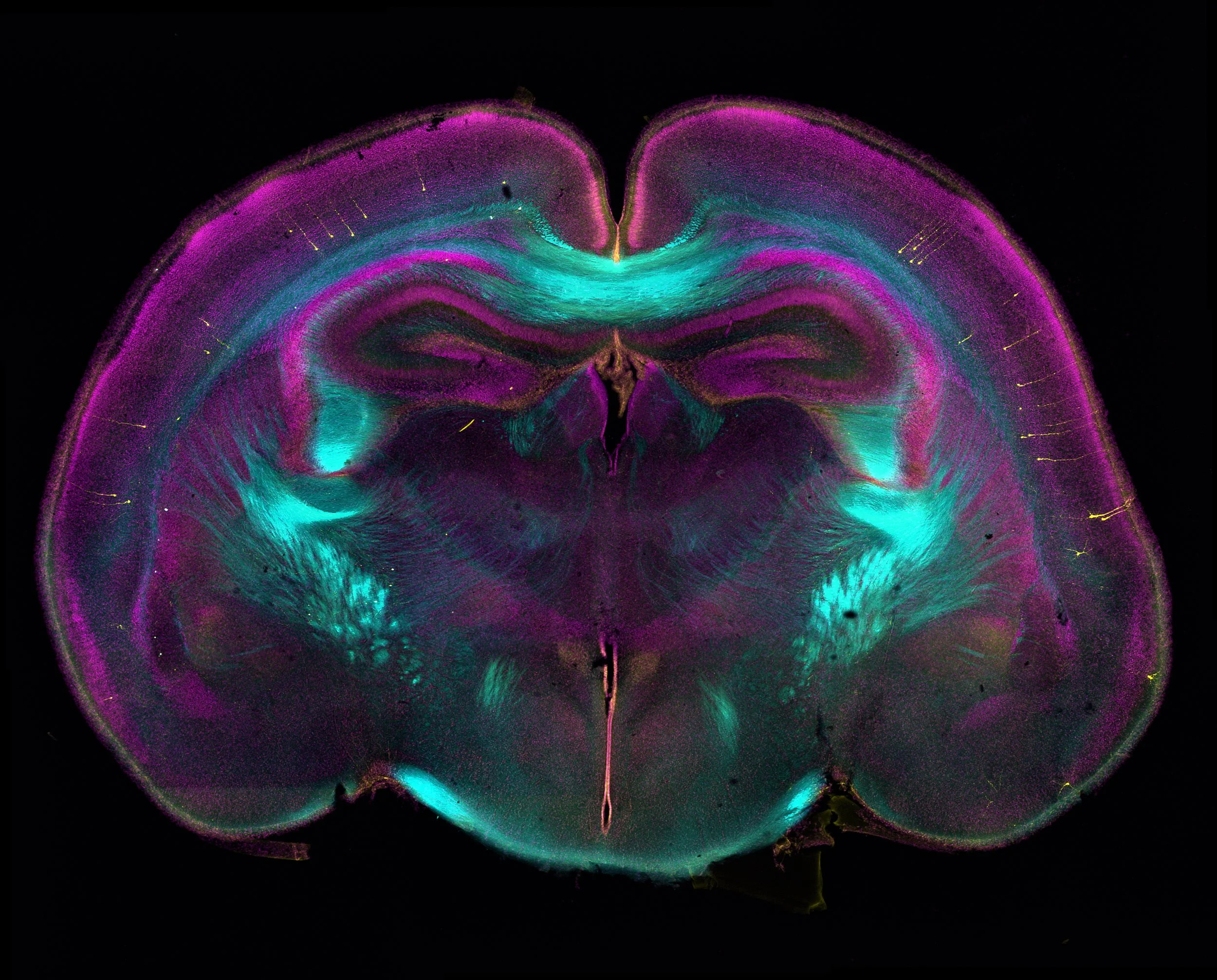
A fundamental question in neurobiology is how variation in our DNA shapes brain development, function, and health. Even small DNA changes can profoundly impact brain development, contributing to neurodevelopmental disorders involving developmental delays, intellectual disability, autism, and other neurological, medical, or psychiatric symptoms. However, how genetic variation influences the developing brain across molecular, cellular, and circuit-level scales remains incompletely understood.
Our laboratory focuses on transcription factors, proteins that regulate gene expression and coordinate the molecular programs underlying brain development. We investigate both the fundamental roles of these proteins in neural development and how genetic variants alter their function. By integrating molecular, biochemical, cellular, genomic, and behavioral approaches, we seek to understand how changes in transcription factor function affect brain development across multiple levels of organization, from gene regulation and neuronal development to neural circuitry and behavior.
Current Research Directions

Transcriptional regulation of brain development
Investigating how transcription factors orchestrate gene regulatory programs that shape brain development and neuronal connectivity

Biochemical mechanisms of neurodevelopmental disorders
Defining how disease-associated genetic variants alter protein interactions and molecular signaling pathways during brain development

Heterogeneity in neurodevelopmental disorders
Developing experimental models to understand how distinct disease-associated variants produce shared and divergent phenotypic outcomes